Answer Your Cat’s Questions: 10 Things Your Cat Wishes You Knew About Grooming
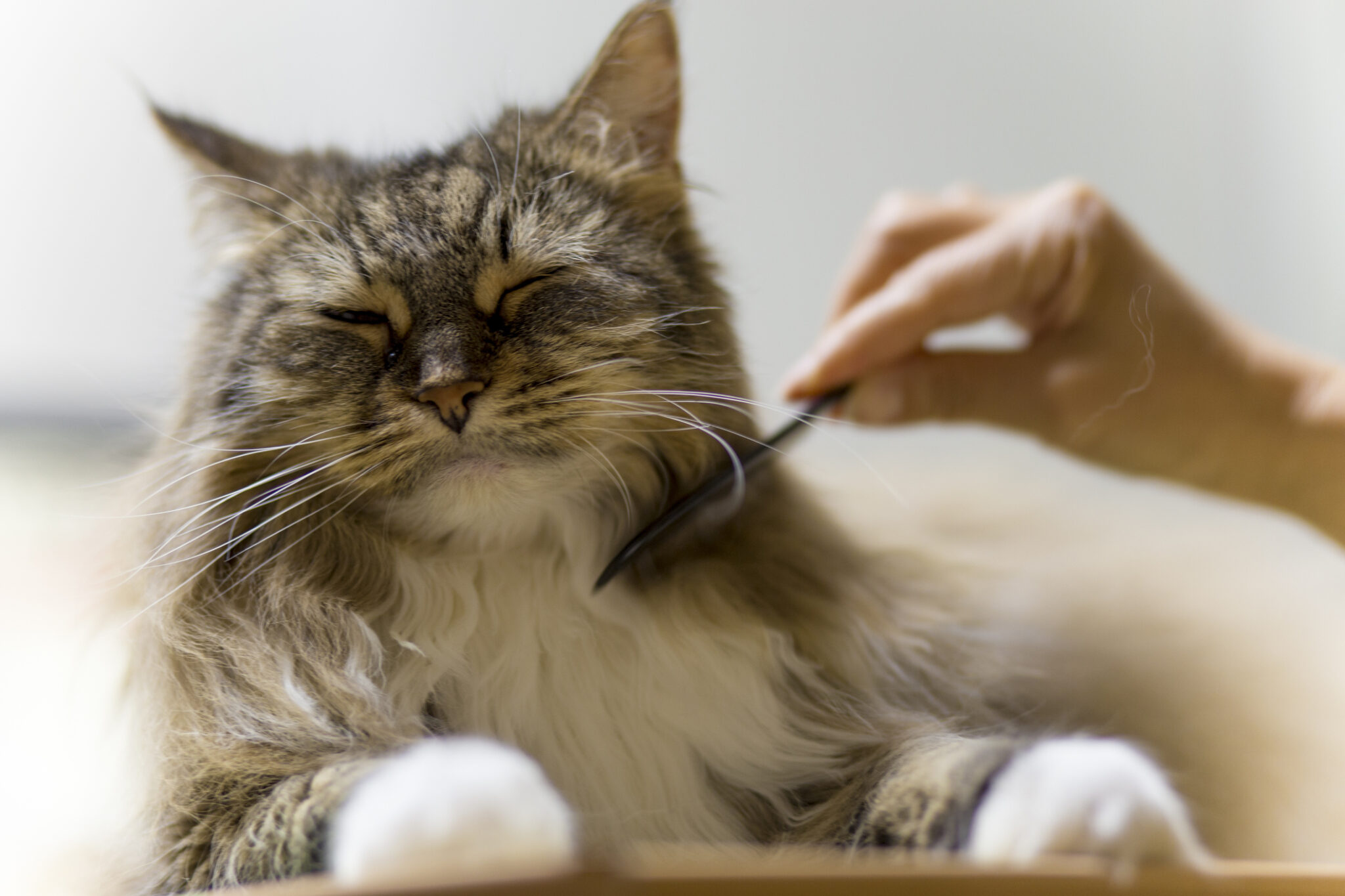
If your cat could pull up a tiny chair and conduct a press conference, these are the grooming questions they’d “ask”… and the answers they wish you knew. Consider this your friendly, first-person guide packed with practical cat grooming tips you can use today to make grooming calmer, safer, and more enjoyable.
“I groom a lot, but I can’t do it all.”
Cats are Olympic-level self-cleaners, but they don’t remove every bit of loose undercoat, oil, or dander—especially in tricky zones (behind ears, armpits, belly, and under the tail). Left alone, shed hair becomes tangles, then mats, and those mats can pull at the skin. Translation: your brushing isn’t redundant; it’s essential cat care that prevents discomfort, hairballs, and skin irritation. Myth busted: “Cats don’t need help.” They do, just a few smart minutes at a time.
“My coat type sets the schedule.”
Not all coats are created equal. Here’s a quick cadence you can tailor to your cat:
Short-haired (e.g., American Shorthair, Domestic Shorthair):
Brush 1–2×/week; quick comb-through during seasonal sheds. Nails every 2–4 weeks. Bathing rarely needed unless recommended by your vet.Medium/Long-haired (e.g., Maine Coon, Persian):
Brush 3–5×/week; daily during heavy shed. Use a metal comb to reach the undercoat. Consider a professional groom every 6–8 weeks for sanitary trims and mat prevention.Senior, arthritic, or plus-size kitties:
Increase assistance—hips, lower back, and hind legs are hard for them to reach.Hairless breeds (e.g., Sphynx):
Gentle wipe-downs and periodic baths (often weekly to biweekly) to manage natural oils; keep skin moisturized with products approved by your vet.
These aren’t rules; they’re starting points. Your cat’s age, health, and climate matter too.
“Use the right tools for my fur.”
The right brush turns a chore into a purr:
Slicker brush: Great for long coats—lifts loose hair without snagging when used gently.
Metal greyhound comb: Your detangle detective—catches small knots before they become mats.
Rubber curry/zoom-groom: For short coats; massages while lifting shed hair.
Deshedding tool: Use sparingly and correctly (light strokes, with hair growth).
Face/finishing comb: For delicate areas (cheeks, behind ears).
Nails: Cat nail clippers or a low-vibration grinder; keep styptic powder nearby for “oops” moments.
“Set the scene, and let me consent.”
Cats thrive on predictability. Pick a quiet room, close doors, and set out tools where your cat can sniff them first. Warm a towel in the dryer, add a familiar scent (their bed or a small blanket), and consider a vet-approved pheromone spritz. Start with pets where your cat already enjoys touch—cheeks, under the chin, along the shoulders. Watch for consent cues: leaning in, slow blinks, soft tail. If ears flatten or the tail flicks sharply, you’re at the edge—pause and reset.
“Brushing should feel like petting, not wrestling.”
Short, positive sessions beat marathon makeovers. Work with the hair growth in gentle strokes, then use the comb to confirm you reached the undercoat (if the comb glides without snagging, you’re winning). I love pairing grooming with a lick mat or a few high-value treats for calm focus. End on a victory—before your cat gets fidgety—so tomorrow’s session starts on a good note. Think: two to five minutes, often.
“Tangles become mats fast—help me early.”
You can prevent most mats with frequency and the right technique:
Hold skin steady with your free hand so you’re not tugging.
Work from the ends of the knot toward the skin in tiny strokes.
Detangling spray (cat-safe) can add slip; never soak the area.
Skip the scissors. Hidden skin + sudden cat wiggle = injury risk.
If a mat is tight to the skin, that’s a pro job. It’s okay to call in backup.
“Paws need practice, not surprise trims.”
Paw handling is a trust exercise. Build it gradually: touch a paw—treat. Hold for one second—treat. Extend a claw—treat. Clip one nail—party! Stop there if that’s all they comfortably allow today. For translucent nails, trim just the clear tip; for darker nails, tiny slivers are safest. Check dewclaws as they curve faster. A gentle grinder can polish edges for cats who tolerate the sound.
“Baths aren’t evil if you do them right.”
Some cats truly never need bathing, but when they do (oily skin, medical need, big mess), set them up for success:
Warm room, non-slip mat, and a shallow water level.
Cat-safe, unscented shampoo; avoid the face—use a damp cloth there.
Rinse thoroughly (leftover suds = itch).
Towel gently; air-dry in a cozy, draft-free space.
If using a dryer, keep it on low, far away, and only if your cat accepts it.
Your goal is “calm and quick,” not “sparkling for Instagram.”
“Stress speaks quietly—please listen.”
Cats whisper before they shout. Early stress signs include skin ripples, faster tail swishes, a lowered head, ears pivoting back, lip licking, dilated pupils, and a sudden stop-and-stare. That’s your cue to pause, offer a treat break, or switch to an easier area. Pushing through often backfires and teaches your cat that grooming equals overwhelm. Build micro-successes; confidence compounds.
“Sometimes the kindest choice is calling a pro.”
Professional support is part of great cat care, especially for:
Tight mats, compacted undercoat, or pelts
Sanitary trims and hygiene clips
Seniors, post-surgery cats, or mobility challenges
Thick coats needing regular maintenance
Bath-averse cats or guardians who need a stress-free assist
For many families, a cat-friendly mobile groomer is the sweet spot: one-on-one attention, no car ride, and less sensory overload. A pro can create a maintenance plan you can keep up between visits—teamwork for the win.
Quick Reference: Grooming Frequency by Coat Type
Short Hair: Brush 1–2×/week; nails every 2–4 weeks.
Medium/Long Hair: Brush 3–5×/week (daily during shed); pro groom 6–8 weeks.
Seniors/Special Needs: Increase assistance; check friction zones (armpits, belly).
Hairless: Regular wipe-downs; baths weekly to biweekly per vet guidance.
Sunny’s Rapid-Fire Cat Grooming Tips
Keep sessions short and sweet—quit while you’re ahead.
Store tools together so your routine feels predictable.
Rotate tools: brush most days, comb checks twice a week.
Reward generously during and after—yes, a snack for you counts too.
When in doubt, ask a pro early; small tangles today are easier than painful mats tomorrow.
Find Cat-Friendly Mobile Groomers
Ready for a calmer routine and a fluffier, happier cat? Browse vetted, feline-savvy pros who come to you.
→ Find Cat-Friendly Mobile Groomers
Share this article
About Sunny Hart
Sunny Hart is a pet grooming expert and contributor to Groom Scout. With extensive knowledge of mobile grooming services and pet care best practices, Sunny helps pet owners find the best grooming solutions for their beloved companions.